
Corpos estranhos em alimentos representam riscos significativos para a segurança do consumidor. A descoberta de contaminantes físicos costuma resultar em recalls custosos, prejuízos financeiros severos e danos duradouros à reputação da marca.
Para assegurar os mais altos níveis de garantia de qualidade e segurança de alimentos, os fabricantes precisam implementar sistemas robustos de inspeção ao longo de todo o processo produtivo. As inspeções visuais tradicionais e as câmeras RGB convencionais falham com frequência quando os contaminantes têm cor ou textura semelhantes às do próprio alimento. Nossas soluções integradas de imagem hiperespectral no infravermelho próximo (NIR) oferecem uma resposta definitiva e automatizada para essa dor crítica do setor.
Para demonstrar a capacidade dos nossos sistemas, foi conduzido um estudo de inspeção em três categorias distintas de alimentos que apresentam alto risco de processamento: filés de frango, hambúrgueres vegetais e queijo de cabra. Ao posicionar contaminantes comuns de chão de fábrica sobre cada produto, foi desenvolvido um modelo de classificação para avaliar a detecção automatizada em tempo real.
Cenários de teste: três matrizes alimentares desafiadoras
Inspeção de aves (filé de frango)
Primeiro, o sistema avaliou o processamento de aves, um setor de alto valor agregado e com exigências rigorosas de conformidade em segurança. Contaminantes industriais comuns — incluindo fragmentos de madeira, peças metálicas e dois tipos de plásticos amplamente utilizados (polietileno – PE e poliestireno – PS) — foram introduzidos no fluxo de produto.
Enquanto a inspeção manual pode facilmente deixar passar plásticos transparentes ou pequenas lascas de madeira sobre a carne crua, o sistema hiperespectral mapeia instantaneamente a química molecular exclusiva de cada objeto.
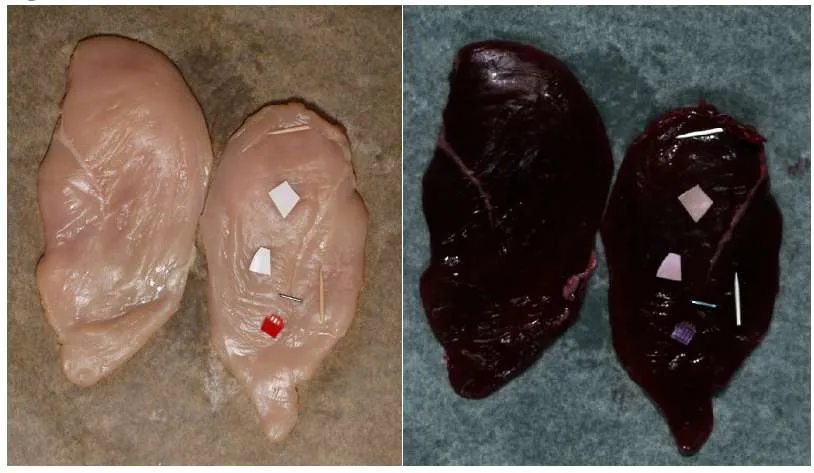
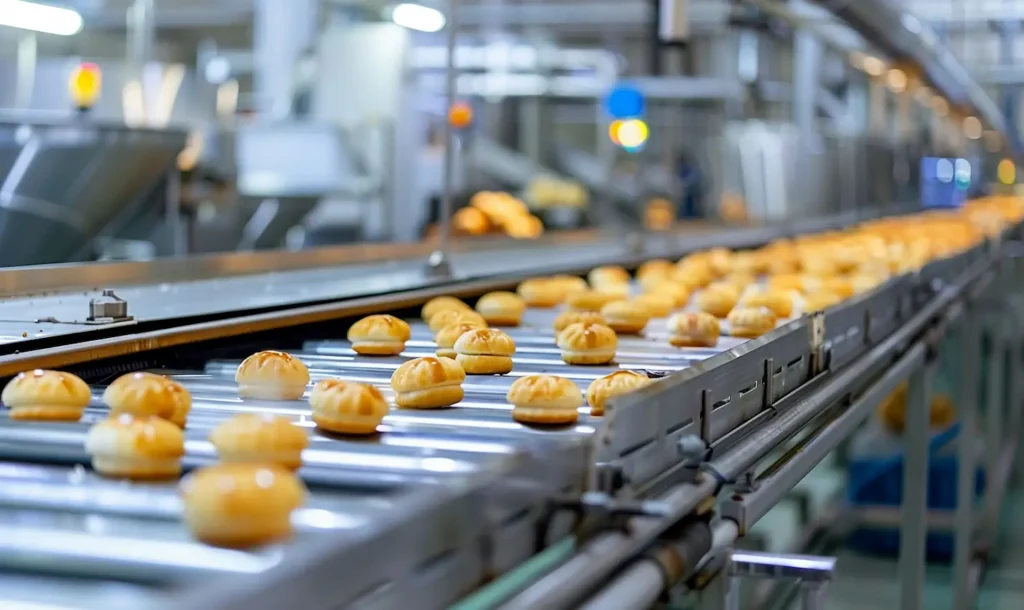
Figura 1: Layout de inspeção automatizada em chão de fábrica durante a varredura espectral.
Alternativas de base vegetal (hambúrgueres vegetais)
Em seguida, o arranjo de inspeção examinou hambúrgueres vegetais utilizando o mesmo conjunto de corpos estranhos (madeira, metal, plásticos PE e PS). A superfície complexa, texturizada e colorida das matrizes de base vegetal torna os sistemas de visão tradicionais altamente inconfiáveis, já que ingredientes do próprio alimento podem ser facilmente confundidos com contaminantes.
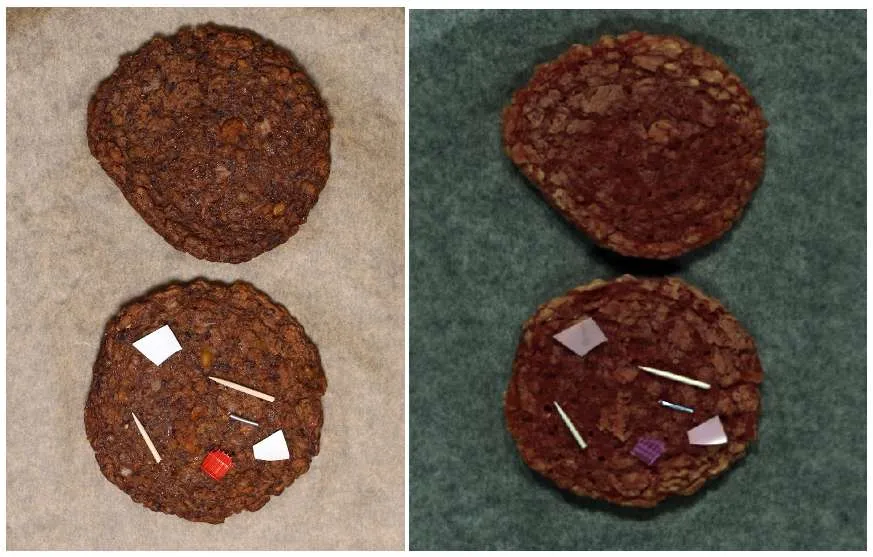
Figura 2: Hambúrgueres vegetais com contaminantes introduzidos: foto visual (à esquerda) versus mapeamento de identificação hiperespectral (à direita).
Desafios de alto contraste (embalagem de queijo de cabra)
Por fim, o sistema foi testado em um dos desafios mais difíceis da embalagem de alimentos: detectar um filme plástico fino e transparente sobre queijo de cabra. Como o filme branco e fino parece quase idêntico à superfície do queijo sob iluminação normal, ele permanece completamente invisível ao olho humano e às câmeras RGB tradicionais.
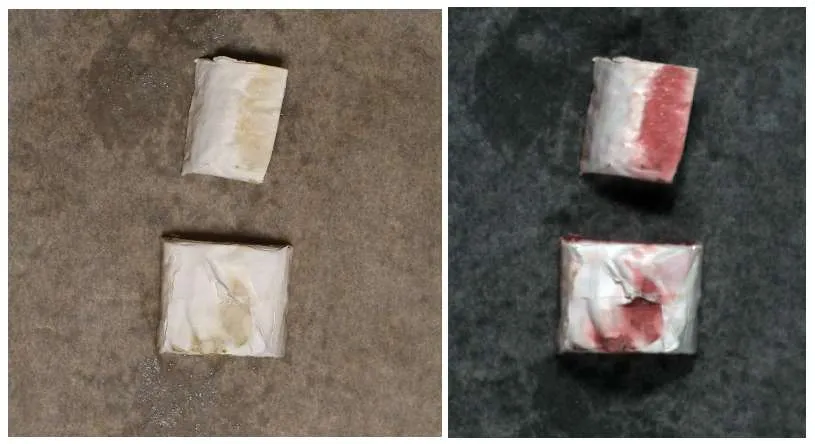
Figura 3: Amostra de queijo de cabra com um contaminante de embalagem plástica transparente: foto convencional (à esquerda) versus detecção hiperespectral nítida em falsa cor (à direita).
Análise espectral: distinguindo o alimento do corpo estranho
Nosso software de processamento integrado normaliza os dados brutos de refletância em relação a referências precisas de branco e escuro, estabelecendo assinaturas químicas limpas. Ao analisar o espectro médio tanto das matrizes alimentares quanto dos corpos estranhos introduzidos, os dados demonstram que cada material possui uma assinatura espectral única e inconfundível.
O que resolvemos na prática
- Perfilamento químico inconfundível: as assinaturas espectrais de carnes, aves e proteínas vegetais diferem fundamentalmente das de polímeros industriais e metais. Mesmo quando as cores são idênticas, o sistema as separa com base na composição química.
- Superando materiais transparentes: em casos complexos, como a embalagem do queijo de cabra, filmes finos podem ser levemente transparentes, fazendo com que as assinaturas espectrais do alimento e do plástico se misturem. Sistemas convencionais falham aqui. Nossos modelos avançados de classificação, porém, isolam essas assinaturas sobrepostas, evidenciando o perfil do contaminante mesmo quando ele está fisicamente incorporado ou encoberto.
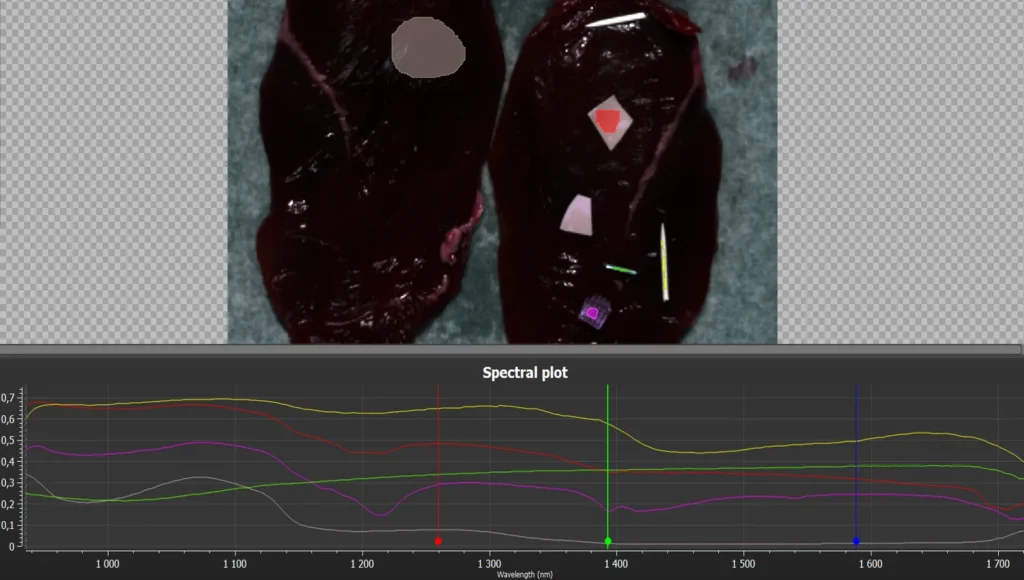
Figura 4: Comparação de assinaturas espectrais separando o tecido de aves de PS, PE, madeira e metal.
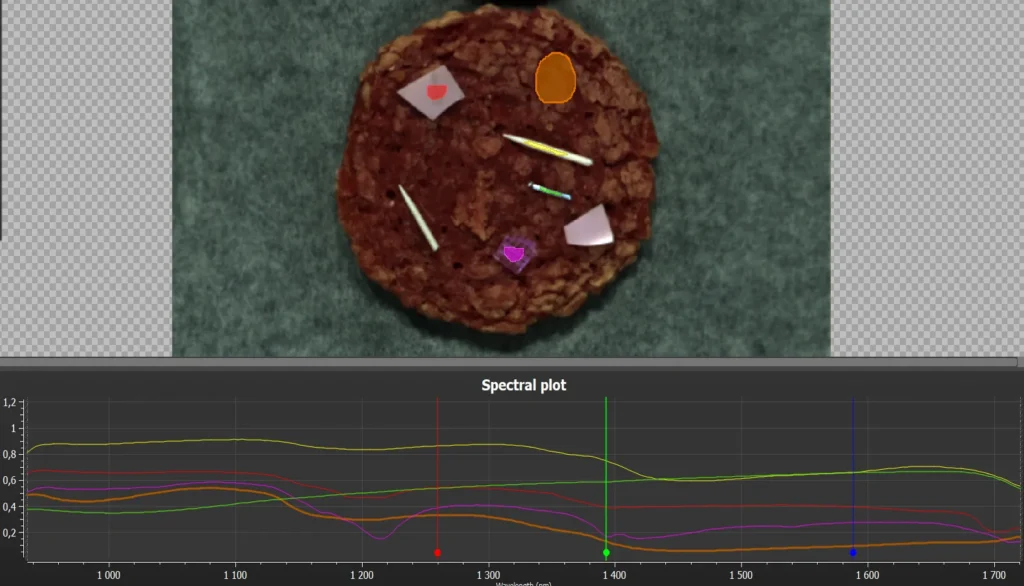
Figura 5: Comparação de assinaturas espectrais isolando matrizes de base vegetal dos contaminantes de fábrica.
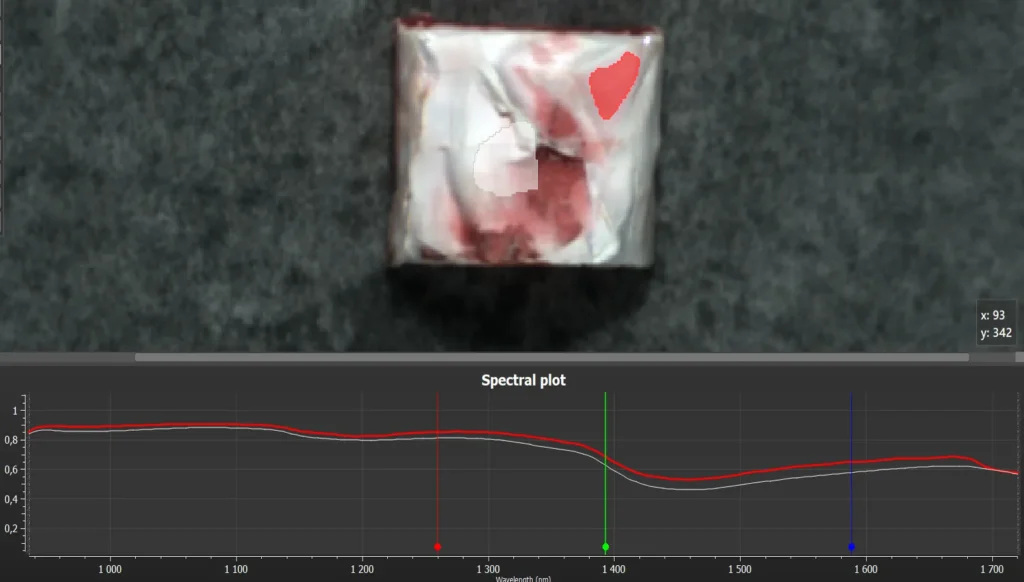
Figura 6: Diferenciação espectral mostrando o contraste químico isolado entre o queijo de cabra e o filme fino de embalagem.
Machine Learning e classificação automatizada
Para transformar esses dados espectrais brutos em ações imediatas na fábrica, foi construído um modelo de classificação personalizado por Análise Discriminante por Mínimos Quadrados Parciais (PLS-DA) para cada aplicação.
Para os filés de frango e os hambúrgueres vegetais, o algoritmo automatizado foi treinado para classificar cinco classes distintas simultaneamente (PE, PS, madeira, metal e o produto alimentício). Para a linha de queijo de cabra, o modelo focou exclusivamente na classificação binária (isolando o filme de embalagem do queijo). O sistema de processamento detecta e mascara automaticamente o fundo da esteira em preto, deixando um mapa limpo e codificado por cores para o mecanismo de rejeição.
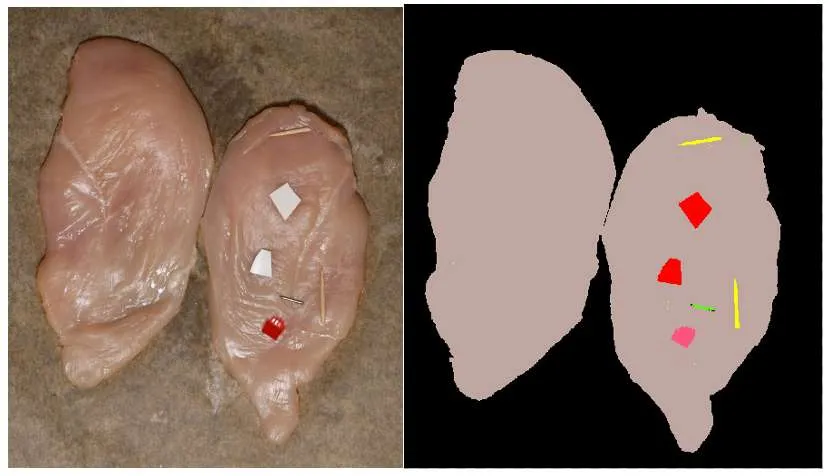
Figura 7: Resultados da classificação automatizada para a inspeção de aves, mostrando as zonas de contaminantes isoladas.
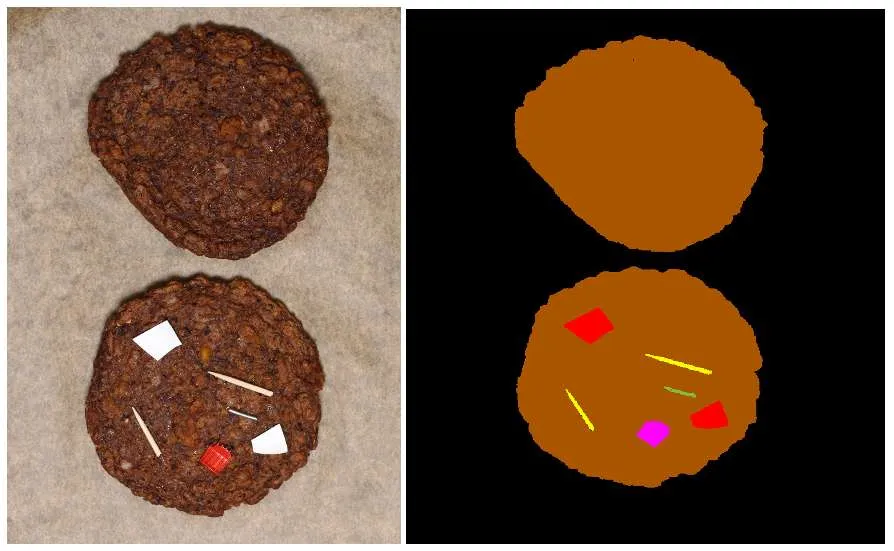
Figura 8: Modelo de classificação de hambúrgueres vegetais identificando com exatidão múltiplos tipos de materiais simultaneamente.
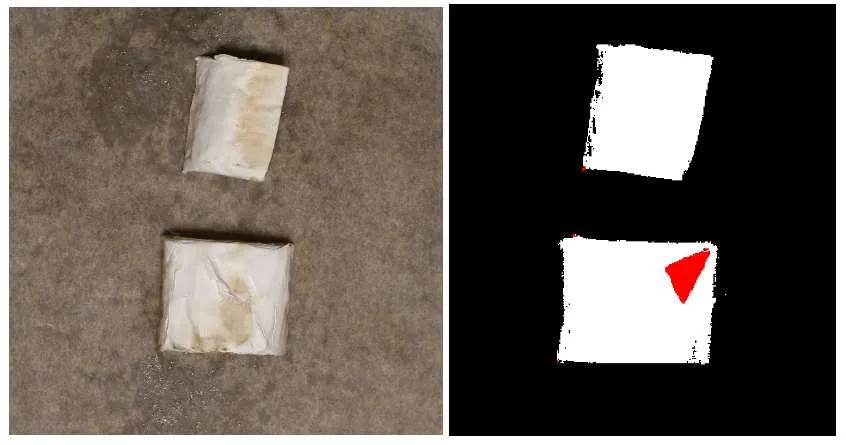
Figura 9: Modelo de detecção de embalagem em queijo de cabra, destacando em vermelho o filme plástico fino que, de outra forma, seria invisível.
Conclusão
A integração da imagem hiperespectral NIR avançada às linhas de produção de alimentos transforma completamente o controle de qualidade: de uma contenção reativa de danos para uma garantia de segurança proativa e 100% automatizada. Os achados deste estudo comprovam que:
- As assinaturas espectrais de diversos produtos alimentícios e contaminantes industriais são altamente distinguíveis.
- Nossos modelos integrados de classificação automatizam de forma confiável a seleção e a rejeição de corpos estranhos em tempo real, com base em dados automatizados do infravermelho.
- Nossos sistemas hiperespectrais detectam e rejeitam com sucesso contaminantes críticos que são totalmente invisíveis ao olho humano e ao hardware de visão convencional das fábricas.